
What Land Surveying Means for Your Property
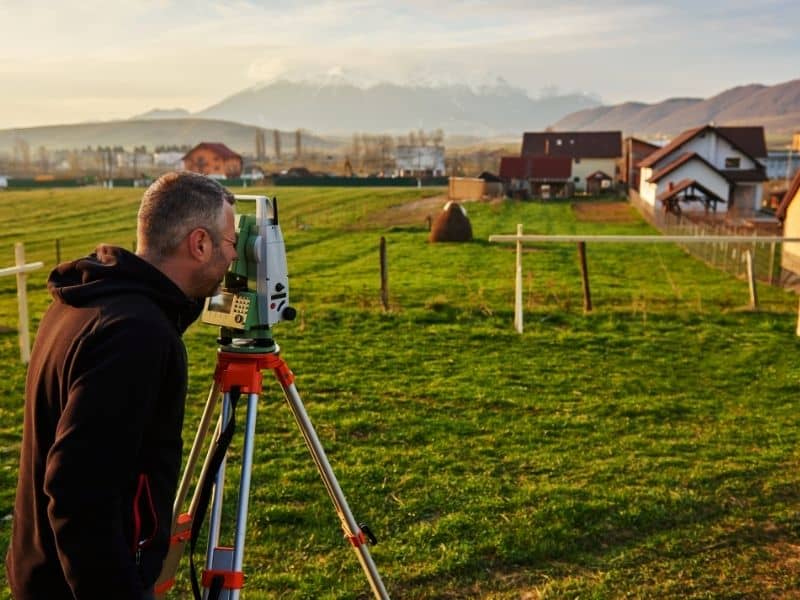
Buying land or owning property comes with important questions. Where does your property start? Where does it end? Can you build where you want? Are fences and structures in the right place?
Many people think they know their property lines. Then a project begins and surprises appear.
That is where land surveying comes in.
Land surveying gives property owners a clearer picture of their land. It turns guesses into facts. Before making major decisions, a survey can help you understand what you own and what may affect your plans.
What Is Land Surveying?
Land surveying is the process of measuring and mapping land. A licensed surveyor studies property records, takes field measurements, and creates documents that show important details about a property.
Land surveying helps define:
- Property boundaries
- Property corners
- Existing structures
- Access areas
- Easements
- Site features
Surveyors use specialized equipment and records to collect accurate information. Their work creates a reliable picture of the property’s layout.
The Bureau of Labor Statistics explains that surveyors make precise measurements to determine property boundaries and prepare land information used in construction and development.
While maps and county records can provide general information, they are not always enough for important decisions.
A survey gives documented measurements that can be relied upon.
Why Property Owners Often Run Into Problems
Many property issues start because people assume things.
A fence may look like a property line. A row of trees may seem like a boundary marker. A driveway may appear to belong entirely to one property owner.
Sometimes those assumptions are wrong.
Imagine buying a home and later discovering that a shed crosses into a neighboring lot. Or imagine building a new garage only to learn that it sits too close to a property line.
Problems like these can create stress, extra costs, and legal issues.
A survey helps uncover facts before problems grow larger.
What a Survey Can Reveal About Your Property
Land surveys do more than place lines on paper.
They often reveal details that property owners may not know exist.
A survey may identify:
- Boundary locations
- Easements for utilities
- Encroachments
- Shared access areas
- Existing structures
- Site conditions that affect future plans
For example, utility companies sometimes have legal rights to access portions of a property. These areas are called easements.
A homeowner may believe they can build anywhere on their lot. Then a survey shows that utility access rights limit certain areas.
Learning this information early can save time and money.
Why Survey Information Matters Before Making Changes
Property improvements often seem simple at first.
Maybe you want to install a fence. Build a workshop. Add a pool. Expand a driveway.
Projects become more difficult when property details are unclear.
Building without accurate information creates risk.
A small mistake in placement can create large issues later.
Survey information helps property owners make better decisions before construction begins.
Instead of asking, “I think this fits here,” you can say, “I know where this belongs.”
That confidence matters.
Common Situations Where Surveys Help
Many people think surveys are only for large commercial projects.
In reality, surveys are useful during everyday situations.
Property owners often order surveys when:
- Purchasing land
- Selling property
- Planning home improvements
- Dividing land
- Solving neighbor concerns
- Preparing for construction projects
Commercial property owners also rely heavily on surveys because lenders, title companies, and developers often require accurate land information.
In many situations, surveying becomes part of the planning process long before work begins.
Understanding Why Professional Accuracy Matters
Property ownership involves legal rights. Because of that, accuracy matters.
A licensed surveyor follows professional standards and uses field evidence, measurements, and records to support findings.
Surveyors do not simply estimate locations.
They investigate:
- Existing records
- Deeds
- Historical information
- Physical evidence found on-site
- Measurements collected in the field
This process helps create a more dependable result.
Even properties that seem simple can contain details that are not obvious from looking at the land.
A Better Understanding of Your Property Starts With Facts
Owning property should come with confidence.
Whether you own a home, vacant land, or commercial property, understanding what exists on your site matters.
Land surveying helps replace uncertainty with information.
Before building, buying, selling, or planning changes, having accurate property data can help avoid unnecessary problems.
Good decisions start with good information.
For many property owners, a survey becomes one of the first and most important steps in understanding what their property truly means.
Frequently Asked Questions
Does a fence show the actual property line?
Not always. Fences are sometimes installed inside or outside legal boundaries. A land survey provides a more accurate answer.
Can I rely on online property maps?
Online maps are helpful for reference, but they often do not provide survey-level accuracy.
Do small residential properties need surveys?
Yes. Even smaller lots can have boundary questions, easements, or site issues that affect future plans.
Is surveying only used before construction?
No. Surveys are also used during property sales, land divisions, and ownership questions.
Why hire a licensed surveyor?
Licensed surveyors follow professional standards and provide documented information that can support legal and property decisions.